
Adding a wildlife pond in your garden is the best way to bring nature, but the depth needs to be just right. If not deep enough, it can dry in warm weather or freeze when the nights are cold. Making it too deep can prevent the growth of varied habitats in the pond.
When you use an appropriate pond liner, the pond keeps water and becomes a good place for your aquatic plants and creatures to live. To help you choose, the experts at That Pond Guy suggest wildlife-friendly plans that blend with your garden.
Why Pond Depth Matters
Wildlife ponds are not just empty water holes—they are living environments. The depth of the pond determines what life can survive there, how the temperature changes, and if the pond will survive different seasons.
Shallow zones are great for amphibians and insects, and deeper parts keep aquatic organisms safe when the weather is severe. Achieving proper balance ensures you will see biodiversity in your pond all year.
Finding the Ideal Depth
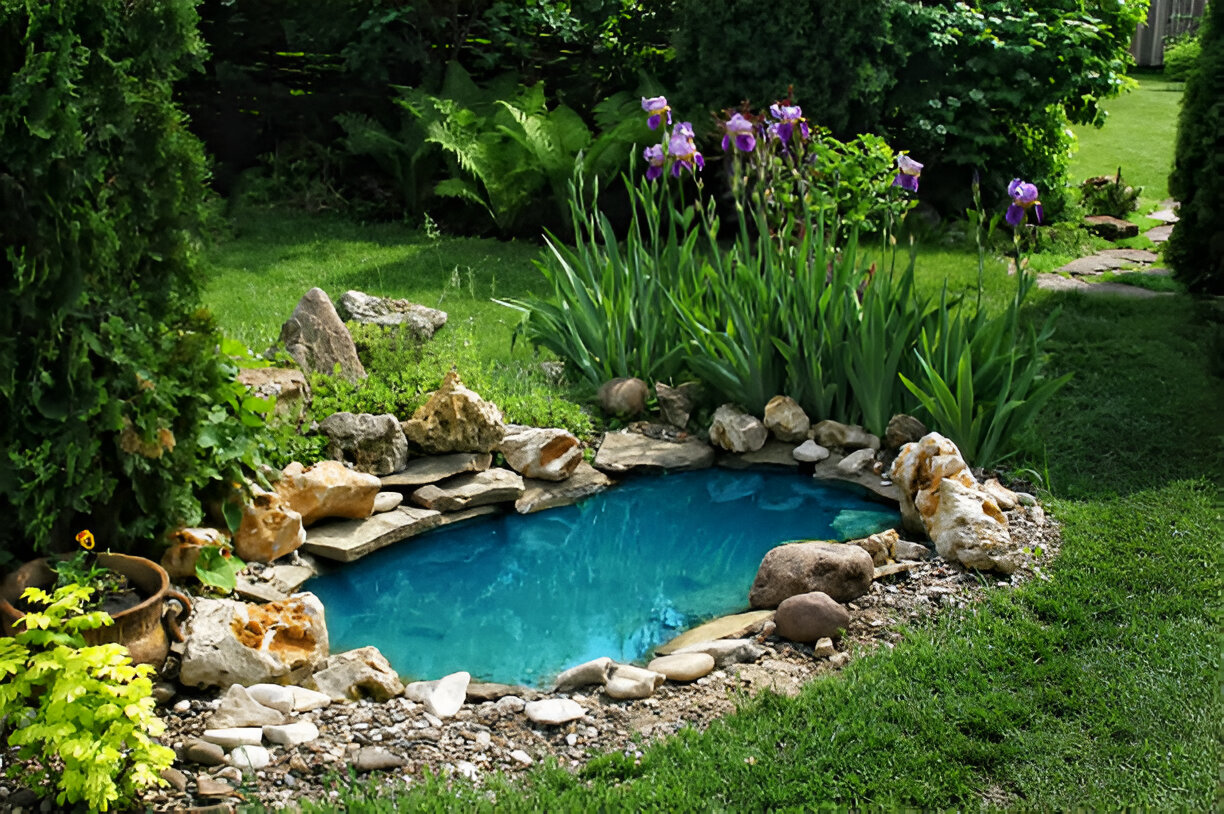
For most garden wildlife ponds, a mix of depths works best. The shallowest area should be just 15-30 cm to invite frogs, newts, and wading insects. Such areas heat up rapidly, leading to plant growth and offering a safe place for animals to breed.
Having at least 60 cm of soil at the bottom—close to 1 metre—makes the water more stable and stops the entire pond from freezing in winter. Having this depth shields fish and aquatic animals from predators and difficult weather.

Seasonal Considerations
Ponds face different challenges depending on the time of year. Warm shallow waters in summer may result in a rise in algae and a lower oxygen supply.
A deeper zone keeps the water cooler and more stable. In winter, deeper water does not freeze as much, letting animals take shelter there. Making the pond deeper is important if you want it to stay comfortable during cold weather.
Designing for Wildlife and Plants
A carefully planned pond includes shelves at several levels to accommodate a variety of plants and animals. Marginal plants grow in the top layer of water where they are exposed, while deep-water fish appreciate the shade of submerged oxygenators.
Water lilies and other floating plants shade the water, which helps to decrease algae and allows little creatures to hide. When you layer them, you set up a tiny ecosystem where each animal or insect fits in.
Safety and Maintenance Tips
Ensure that safety is a priority during pond design. The gradual slopes help different kinds of animals go in and out of the yard safely. Don’t add vertical drop-offs unless your pond is very large. Caring for your pond by trimming plants and inspecting the liner helps you detect leaks and maintain clear water.
When to Call the Experts
For any questions about pond design, That Pond Guy offers eco-friendly advice and beautiful solutions. Thanks to their expertise, your wildlife pond will grow into a beautiful and natural spot in your garden.