
Oral care has altered dramatically during the last several years. Clinics are no longer focused on procedures and drugs, but on making all the choices with the patients in mind. This patient-method emphasis is changing the delivery, experience and perception of dental treatments. Today’s clinics are redefining the dental experience by way of new technologies and a more individualised touch.
A Change To Put Patients First
In the past, dental models have been inclined to emphasise mass and speed. These aspects are still significant, but nowadays comfort, tastes, and overall health of patients are becoming more and more important in contemporary institutions. This entails listening very carefully to what individuals are concerned about, finding out a lot about their medical history, and ensuring that treatments are individualised.
Patient-centred care is built on respect and understanding. Now dentists and staff take time to explain procedures, answer clients’ concerns and allow them to assist in making choices. This process helps individuals relax and develop trust over time. This is vital for maintaining excellent oral health.
Personalised Treatment Plans For Better Outcomes
Today, physicians recognise that every patient is different. Individualised treatment planning is an essential element of patient-centred care. Dentists will recommend treatments based on the patient’s habits, health and personal objectives.
The aim is to achieve outcomes that are in keeping with the wishes of the patient, whether it be in preventive care, restorative therapies or aesthetic enhancements. This level of personalisation works better and makes people happy. Patients feel more confident when they are aware that their treatment strategy is individualised for them.
By combining cutting-edge technology with personalised treatment, a dental practice in Darlinghurst can adjust to the changing demands of a developing metropolis. These facilities are designed to know their patients and provide individualised solutions that address immediate concerns as well as long-term oral health objectives.
Improving Comfort And Reducing Anxiety
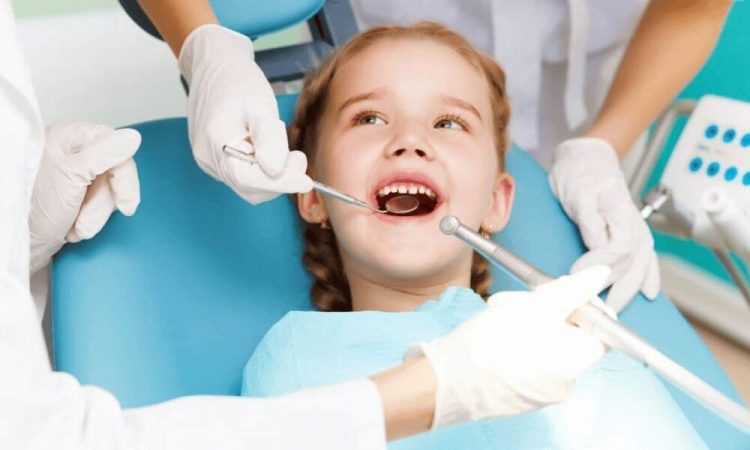
Dental phobia has prevented individuals from obtaining routine treatment for a long time. Modern businesses are addressing the issue by designing a nicer and more relaxed environment. The peaceful environment, the mild treatments, everything is designed to make patients feel comfortable.
The sedation and pain control options have also improved a lot. Those who have avoided the dentist may seek treatment today without stress or fear. Clinics are making comfort a priority to help more individuals stay up with regular examinations and preventative care.
Better Communication And Patient Education
Clear discussion is a fundamental element of patient-centred treatment. Dental clinics now are putting money into instruments and training that let patients see how healthy their mouths are and what treatment options they have. Digital data, visual tools and live consultations make it simpler for patients to remain informed.
Knowing how to take responsibility for their oral health, patients can. People are more likely to do what they are instructed when they understand the importance of preventive measures like brushing, flossing and frequent dental visits. This strategic approach leads to greater outcomes and fewer issues over time.
Access And Services That Are Flexible
Another significant feature of the present dental treatment is accessibility. Clinics are making it simpler for busy individuals to book appointments, with flexible scheduling and extended hours, and easy-to-use planning tools. Easy-to-use online tools allow you to arrange appointments, see records and chat with the professionals of dentistry.
Telehealth visits are growing increasingly common, too. These enable individuals to seek care without having to see the doctor in person. These programmes make it simpler and more open for everyone to access dental care, so more individuals can get the support they need.
Complete Guide To Good Oral Health
Patient-centred care is more than solving one person’s health condition. Doctors are now more holistic in their approach, looking at the connection between oral health and overall health. Oral health has to be part of a broader health strategy, since disorders such as gum disease have been related to health issues across the body.
Dentists now work closely with their patients to foster excellent habits such as proper nutrition and a healthy lifestyle. This thorough approach ensures dental treatment is not simply a fast cure but part of a long-term health plan.
Conclusion
Customer-centric care is altering the way dental services are delivered and is transforming the company in meaningful ways. Modern clinics are improving the experience for patients by concentrating on comfort, communication, customisation and technology. This adjustment improves the oral health of the individuals and increases their participation in their own care. As dental offices evolve throughout time, patient-centred care will always be the bedrock of effective service.